Tuesday, February 25, 2014

Strategy to Try - KWL Chart!

KWL Chart

This is a great, versatile strategy to start off any session. It helps get at the topics your student wants to cover. It can be used for any subject matter, with any number of students. As many of you begin to work with paired students, instead of simply asking what your students have questions on, think about using the KWL chart to determine what both of your students want to work on!


How to set it up: 
It works best on a whiteboard or larger board, but it can also work on a piece of paper. Title three columns: What I Know (K), What I Want to Know (W), and What I Learned (L). Have your student fill out the first two columns with what they know from lecture, and what they were confused on/want to go over more in depth in tutoring. At the end of your session, have your student fill out the Learned column as the closing. 

If you work with paired students you can ask one student who puts something in the Know column to explain something to the other student. It can be a great way to assign topics for an 'Assign the Expert' activity.

Wednesday, February 12, 2014

Strategy to try - Memory!

Memory

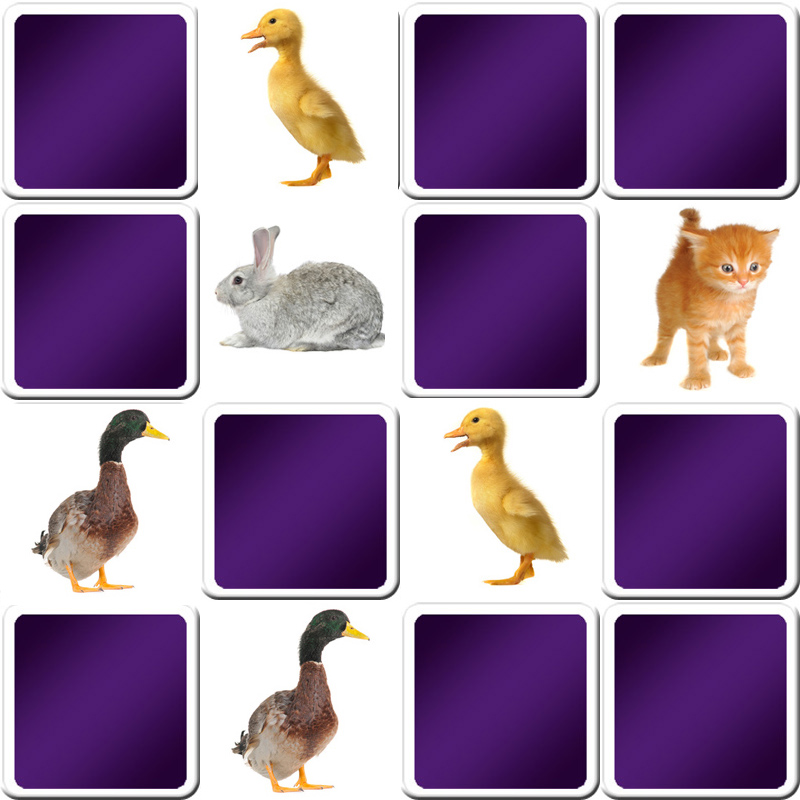
You may have not played Memory since you were much younger, but it works great as a study tool! It is a fun and useful game if you have a lot of vocabulary or definitions to go over, or have to remember the names of chemicals, compounds, amino acids, etc. It would also work great for memorizing new vocab in a foreign language!

Recommended for: Chemistry, Biology, Psychology, Foreign Language

How to set it up: Prepare between 12 and 24 note cards. Half of the note cards should have vocab terms, and the other half should have definitions/images. Shuffle the cards and place them face down in a grid. Each student (or you and your student if you work in one-on-one) take turns flipping over two cards at a time, trying to find a match.

Thursday, February 6, 2014

Creating Independent Students

Instructional Scaffolding is a learning theory that describes the process of student development with the help of an instructor, tutor or academic mentor. Scaffolding refers to the support given during the learning process that helps students achieve levels of understanding that they might not normally be able to on their own.

Generally, scaffolding takes place in a few steps. First, the instructor or academic mentor does an activity or exercise. Then the group does it. Then the individual does it. You will see this progression in some of our examples below.

Below are some strategies that can be used in your sessions. We have included some examples of how you can these strategies can be applied to progressively “scaffold” your students and grow their academic independence.

Examples:
Subject: Math; Strategy: Hints - 
February: 2-3 steps of an equation
March: 1st step of an equation
April: No steps 
May: Students generating their own steps

Subject: Biology; Strategy: Handouts - 
Step 1: Incomplete outline for students to fill out
Step 2: Incomplete outline with diagrams (no words/explanations provided). Students explain what is happening
Step 3: Students assigned topic to create outline/study guide on particular topic

Subject: Anatamy/Physiology - 
Step 1: Cascade of stress (cortisol release)
Step 2: Real world application - stress induces weight gain and depresses immune function
Step 3: Apply to own life - how to counteract and prevent stress

References
Alibali, M (2006). Does visual scaffolding facilitate students’ mathematics learning? Evidence from early algebra. Retrieved September 12, 2008 from http://ies.ed.gov/funding/grantsearch/details.asp?ID=54