Memory
You
may have not played Memory since you were much younger, but it works great as a
study tool! It is a fun and useful game if you have a lot of vocabulary or definitions
to go over, or have to remember the names of chemicals, compounds, amino acids,
etc. It would also work great for memorizing new vocab in a foreign language!
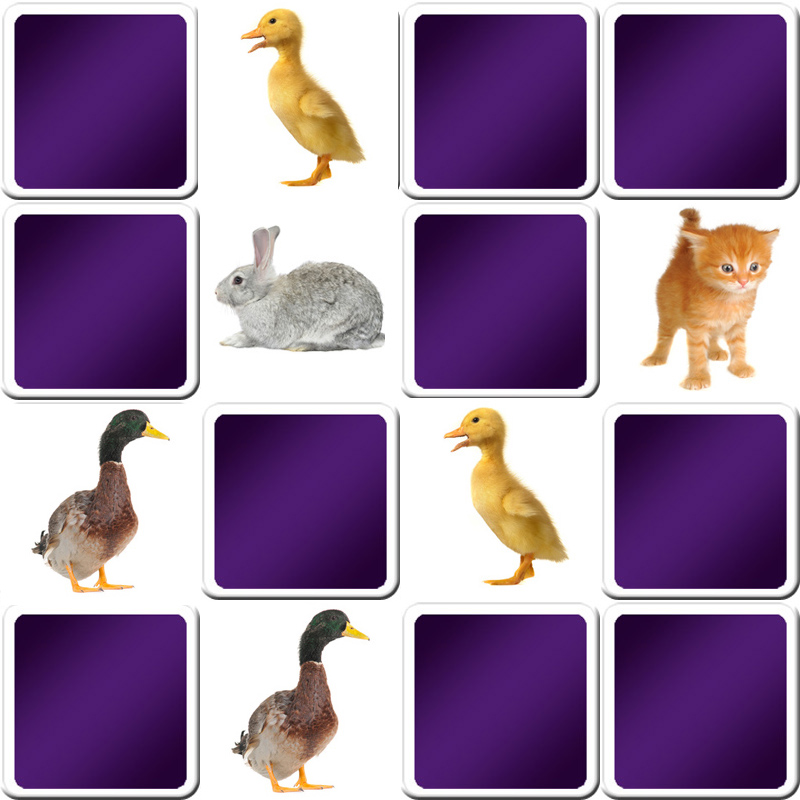 Recommended for: Chemistry, Biology, Psychology, Foreign Language
How to set it up: Prepare between 12
and 24 note cards. Half of the note cards should have vocab terms, and the
other half should have definitions/images. Shuffle the cards and place them
face down in a grid. Each student (or you and your student if you work in one-on-one) take turns flipping
over two cards at a time, trying to find a match.

I really liked this blog post, and wanted to agree that it's a great strategy. I use memory when I help with chemistry - for naming organic compounds and for tough reaction conditions that can be hard to memorize. It's easy to carry around, and as the semester goes on can be super helpful as a cumulative review tool. Just wanted to drop in and say thanks for posting!
ReplyDelete-Monica
As a math mentor, I sometimes find it hard to incorporate these types of activities into my sessions. However, I was able to use this activity in mentoring my Trigonometry course. Instead of vocab and images, I used graphs and functions. My student seemed to really enjoy these types of interactive activities as well so I'm glad I was able to modify and incorporate this activity into my session.
ReplyDeleteSome mentors find it hard to come up with activities to incorporate into their sessions. I recommend looking at blog posts and strategy cards and tailoring it to fit your subject!